A digital tribute · 1916–2002

Mia ČorakSlavenska

A Croatian prima ballerina. A world stage.

From Brod na Savi to the great stages of the world. A life devoted to dance, creative freedom and the generations to come.

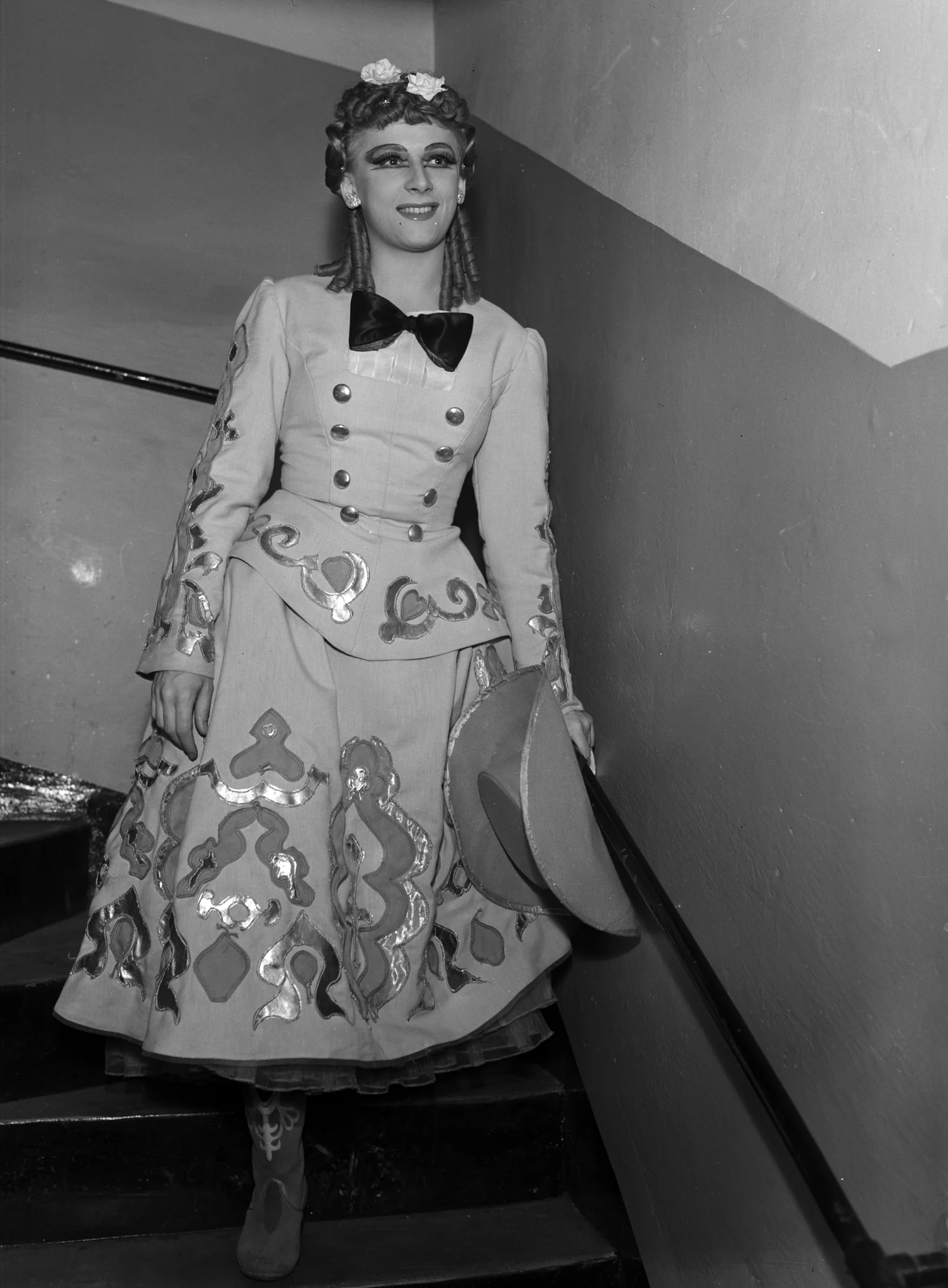
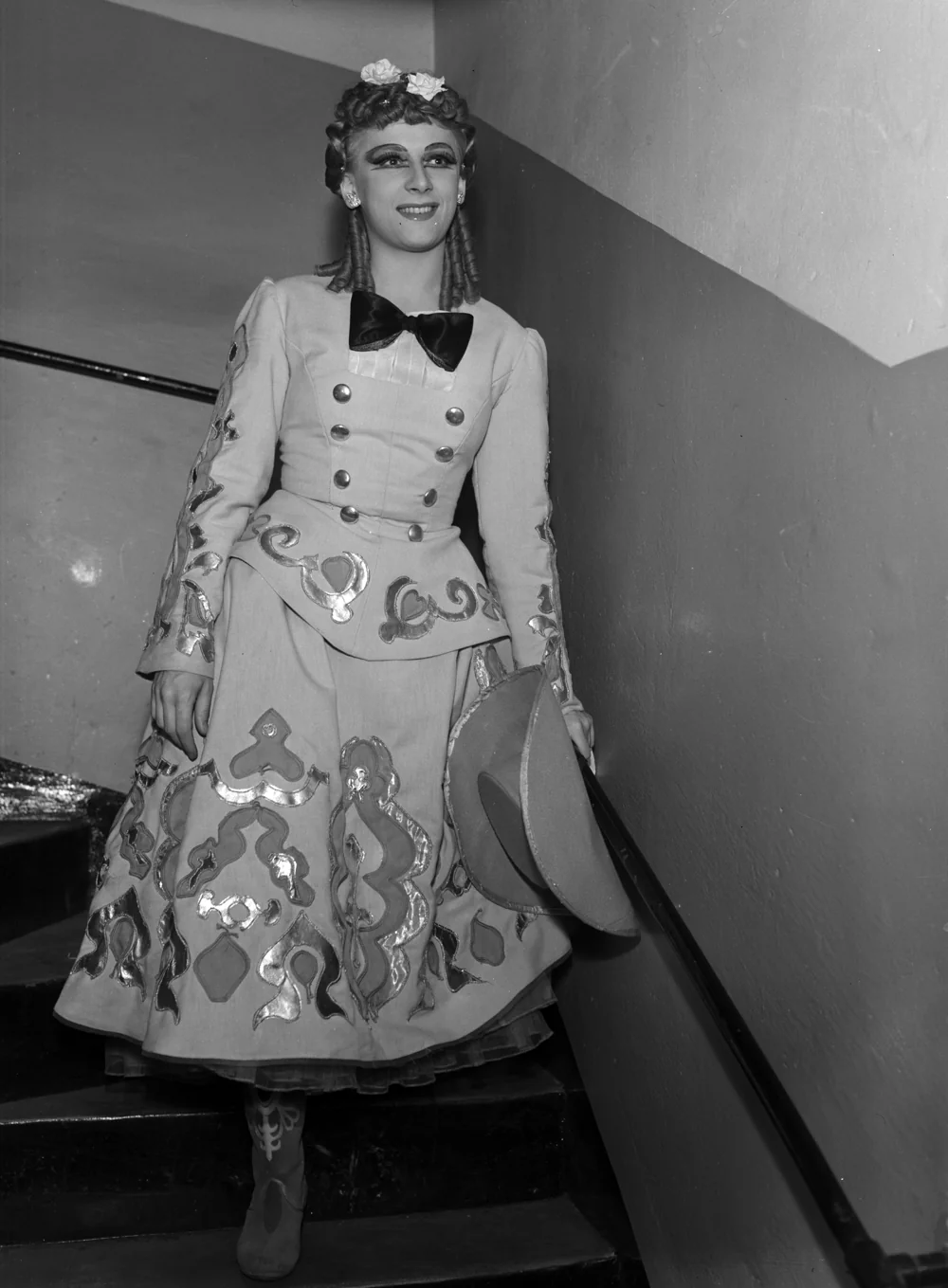
Mia Slavenska in costume for Ghost Town, photographed for the Los Angeles Daily News.
Mia Slavenska in costume for Ghost Town, 1940. Image sources and rights
SLAVONSKI BRODZAGREBPARISNEW YORKLOS ANGELES

An artist beyond borders

One life.
Countless stages.

Mia Čorak Slavenska was a Croatian-American ballerina, choreographer and teacher. She united classical virtuosity with dramatic expression and an independent creative spirit. Her story belongs both to Croatia’s cultural heritage and to the history of American ballet.

Born
20 February 1916 · Brod na Savi
Died
5 October 2002 · Los Angeles
Stage name
Mia Slavenska
Calling
Ballerina · choreographer · teacher

01 / Life story

A life in motion.

Move along the timeline and open an event to discover more.

1916
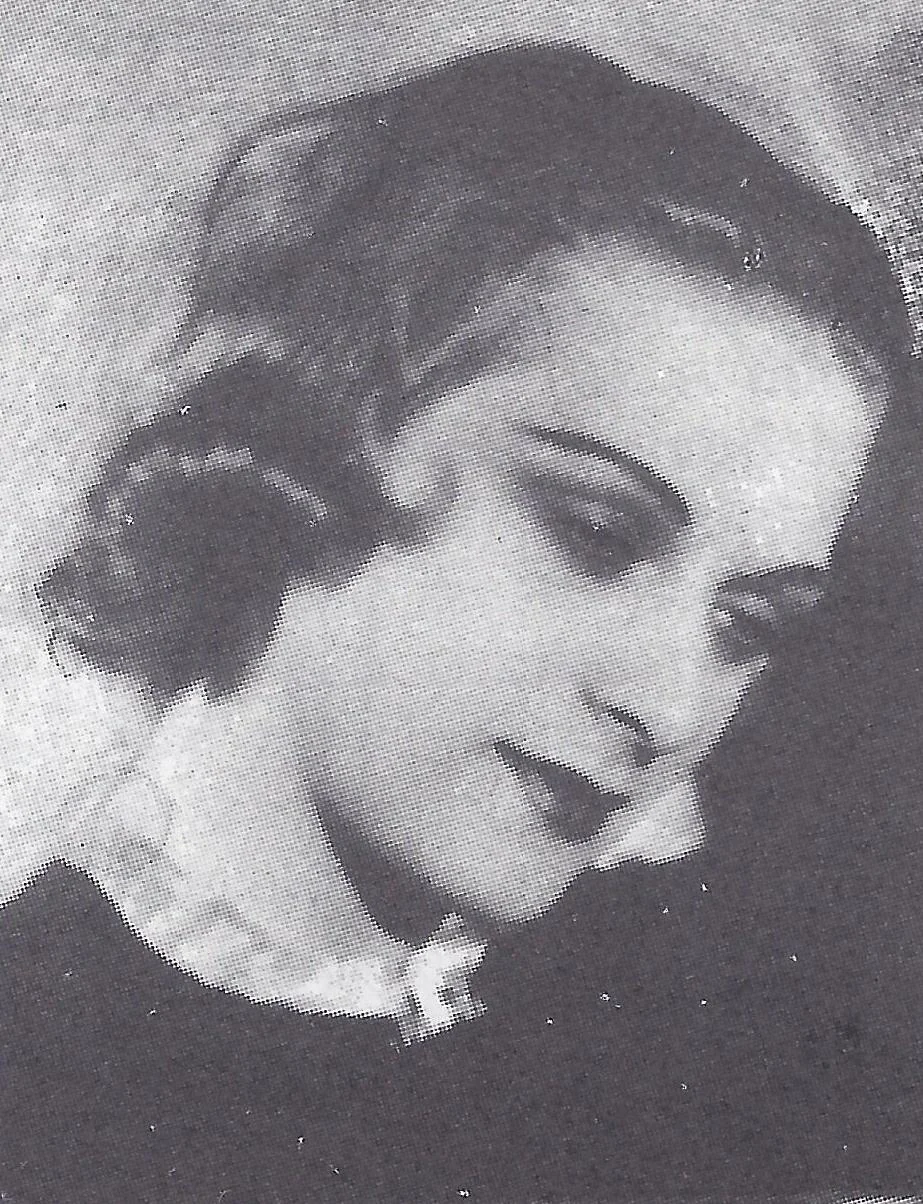
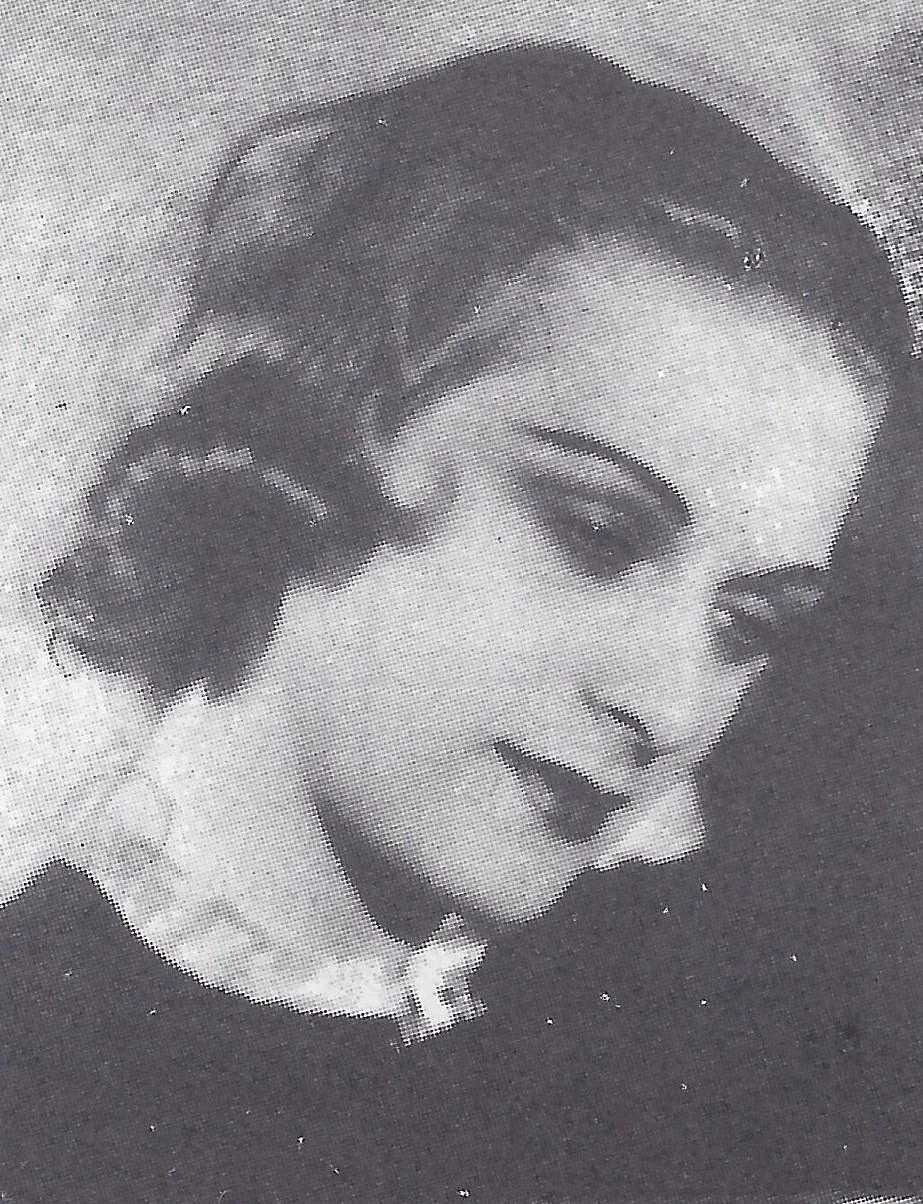
An archival photograph of Mia Čorak published in an encyclopedia in 1966.Brod na Savi

Beginnings on the Sava

Read the story

Mia Čorak was born on 20 February 1916 in Brod na Savi, now Slavonski Brod. From this town, her life would take her to the ballet centres of Europe and America.

Source: Hrvatska enciklopedija
1924
An archival photograph of Mia Čorak published in an encyclopedia in 1966.Zagreb

A childhood on stage

Read the story

In 1924 she appeared as the Heart in the Zagreb premiere of Krešimir Baranović’s ballet Licitarsko srce, choreographed by Margarita Froman. Her Zagreb teachers included Josefina Weiss and Margarita Froman.

Source: Hrvatska enciklopedija

1934–1935
An archival photograph of Mia Čorak published in an encyclopedia in 1966.Zagreb

Prima ballerina in Zagreb

Read the story

The Croatian Biographical Lexicon records her as prima ballerina at the Croatian National Theatre in 1934–1935. Her Zagreb roles included Swanilda in Coppélia and the Firebird.

Source: Hrvatski biografski leksikon

1936
An archival photograph of Mia Čorak published in an encyclopedia in 1966.Berlin

International recognition

Read the story

At the 1936 Berlin dance competition she received a top award. The competition took place during the Olympic Games; this was a dance honour, not an Olympic sporting medal. Slavenska became her international stage name.

Source: Hrvatski biografski leksikon

1937
An archival photograph of Mia Čorak published in an encyclopedia in 1966.Paris

Ballet meets cinema

Read the story

She played ballerina Nathalie Karine in Jean Benoît-Lévy’s French film La Mort du cygne. Released in the United States as Ballerina, the film brought her art to cinema audiences.

Source: Slavenska Dance Preservation — About Mia

1938
Mia Slavenska in costume for Ghost Town, photographed for the Los Angeles Daily News.Monte Carlo

Ballet Russe de Monte Carlo

Read the story

She joined the Ballet Russe de Monte Carlo. Touring expanded her international career, with a repertoire spanning classical ballets and works by choreographers including Fokine and Massine.

Source: Slavenska Dance Preservation — About Mia

1944
Mia Slavenska in costume for Ghost Town, photographed for the Los Angeles Daily News.USA

An independent artistic path

Read the story

She formed Slavenska Tihmar and Company. Her own companies and concert programmes offered artistic independence and brought ballet to audiences beyond major theatre centres.

Source: Slavenska Dance Preservation — About Mia

1952
Mia Slavenska in costume for Ghost Town, photographed for the Los Angeles Daily News.USA · Canada

A Streetcar Named Desire

Read the story

With Frederic Franklin she founded the Slavenska–Franklin Ballet. She danced Blanche DuBois in A Streetcar Named Desire, choreographed by Valerie Bettis after the play by Tennessee Williams.

Source: Hrvatski biografski leksikon

1954–1956
An archival photograph of Mia Čorak published in an encyclopedia in 1966.New York

At the Metropolitan Opera

Read the story

In the mid-1950s she was a prima ballerina at New York’s Metropolitan Opera. Sources date the engagement differently: the Croatian Encyclopedia gives 1954–1955, while the Croatian Biographical Lexicon gives 1955–1956.

Source: Hrvatska enciklopedija

1960–1980
An archival photograph of Mia Čorak published in an encyclopedia in 1966.New York · Los Angeles

Knowledge that endures

Read the story

After her stage career, she devoted herself to teaching in New York and Los Angeles. At UCLA, the California Institute of the Arts and in private classes, she worked with new generations of ballet and contemporary dancers.

Source: Hrvatski biografski leksikon

2002
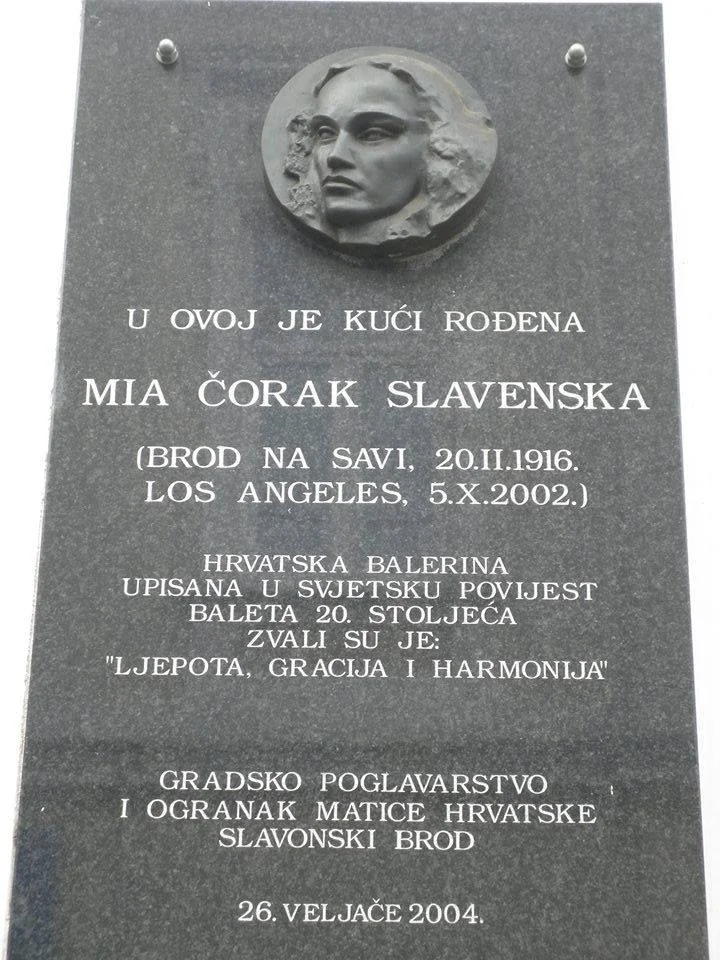
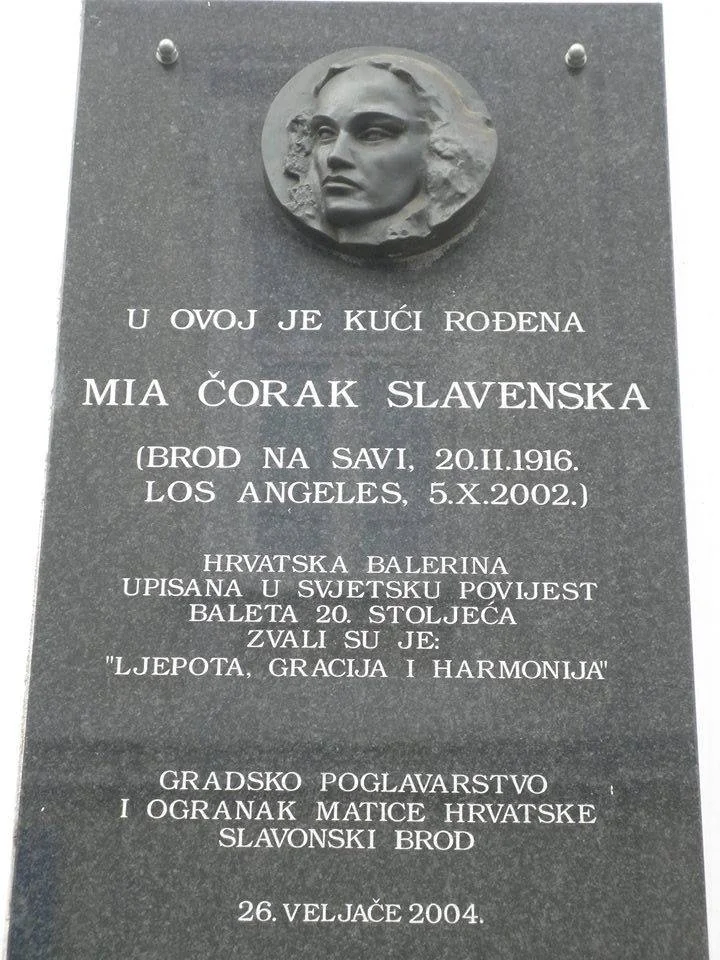
A memorial plaque to Mia Čorak Slavenska in Slavonski Brod.Los Angeles

A life remembered

Read the story

She died on 5 October 2002 in Los Angeles. Her artistic legacy continues through her students, archival records and renewed interest in her life.

Source: Hrvatska enciklopedija

2006
A memorial plaque to Mia Čorak Slavenska in Slavonski Brod.Zagreb

Her name, new generations

Read the story

The Croatian Society of Professional Ballet Artists launched Slavenska Prix in 2006. The competition became international in 2010, connecting the great ballerina’s name with ballet’s future.

Source: HDPBU — Slavenska Prix

02 / Artistry

Technique. Character.
Freedom.

From classical ballet to contemporary drama, her repertoire reveals an artist of remarkable expressive range.

An archival photograph of Mia Čorak published in an encyclopedia in 1966.
Mia Čorak · Image sources and rights
01

Classical repertoire

Giselle

The Romantic ballet was among the leading roles of her international career.

02

The Zagreb chapter

Coppélia

Swanilda brought together youthful stage assurance, character and comedy.

03

Created for her

Ghost Town

Marc Platt’s ballet, set to music by Richard Rodgers, was created expressly for Slavenska.

04

Dramatic ballet · 1952

A Streetcar Named Desire

Blanche DuBois in Valerie Bettis’s choreography: a literary character expressed through movement.

Source: Slavenska Dance Preservation — About Mia · Hrvatski biografski leksikon

04 / Legacy

The dance ends.
The influence remains.

Her legacy lives on in dance studios, documentary film and a competition bearing her name.

01 / About the film

Mia, a Dancer’s Journey

Maria Ramas and Kate Johnson bring Mia Slavenska’s life back into focus. A daughter’s personal search becomes a story of art, memory and belonging.

02 / Slavenska Prix

Slavenska Prix

Organised by the Croatian Society of Professional Ballet Artists, this international competition carries her name into the work of new generations.

Discover Slavenska Prix
03 / UCLA · CalArts

An art passed on

Teaching at UCLA and CalArts, alongside private classes, makes her educational legacy an equally important part of her story.

Biographical sources

Mia, at a glance.

Who was Mia Čorak Slavenska?

A Croatian-American prima ballerina, choreographer and teacher, born in Brod na Savi in 1916. She died in Los Angeles in 2002.

What is she particularly known for?

Her international career with the Ballet Russe de Monte Carlo, her company with Frederic Franklin and her portrayal of Blanche DuBois in the ballet A Streetcar Named Desire.

Where can I explore her life?

Start with the Croatian Encyclopedia, the Croatian Biographical Lexicon and the documentary project Mia, a Dancer’s Journey. Links are listed in the sources.

Sources and further reading

This biographical overview draws on the sources below. Their dates for her Metropolitan Opera engagement differ; the timeline makes that distinction explicit.

Editorial review: 9 October 2026.

  1. 01Hrvatska enciklopedija
  2. 02Hrvatski biografski leksikon
  3. 03Slavenska Dance Preservation — About Mia
  4. 04Mia, a Dancer’s Journey
  5. 05PBS — Mia, a Dancer’s Journey
  6. 06HDPBU — Slavenska Prix